The Essential Guide to Rhinoplasty Instruments
Wiki Article
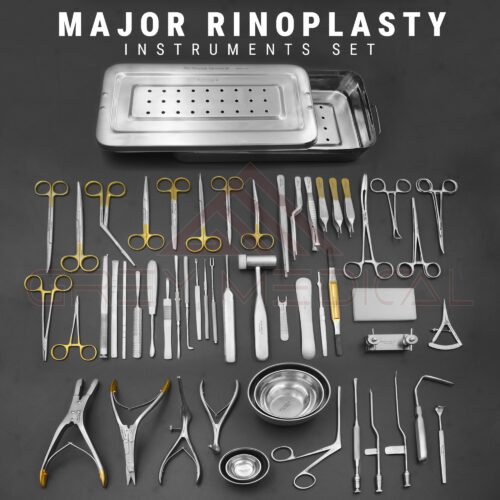
When it comes to nasal surgery, precision is everything. Surgeons rely on specialized rhinoplasty instruments to reshape, reconstruct, and refine the nose with accuracy and care. These tools are the backbone of successful outcomes, enabling procedures that range from cosmetic enhancements to functional corrections.
What Are Rhinoplasty Instruments?
Rhinoplasty instruments are surgical tools specifically designed for nose surgery. They allow surgeons to access delicate nasal structures, remove or reshape bone and cartilage, and close incisions with minimal trauma to surrounding tissue. Each instrument serves a unique purpose, from initial incisions to final suturing.
High-quality instruments are critical. They must be sharp, durable, and ergonomically designed to support the surgeon's skill and steady hand throughout the procedure.
Key Instruments Used in Rhinoplasty
A comprehensive rhinoplasty set includes a variety of tools. Scalpels and scissors make precise incisions and trim excess tissue. Forceps grasp and manipulate cartilage, while elevators lift soft tissue away from bone. Rasps and osteotomes reshape nasal bones, and retractors hold incisions open for better visibility.
Nasal speculums provide access to the nasal passages, and suction devices keep the surgical field clear. Each tool plays a vital role in the flow of surgery, and having reliable rhinoplasty instruments ensures the procedure runs smoothly from start to finish.
Why Quality Matters
Surgeons depend on instruments that won't bend, dull, or fail under pressure. Poor-quality tools can lead to complications, longer surgery times, and suboptimal results. That's why many professionals turn to trusted manufacturers who prioritize craftsmanship and innovation.
GreyMedical® is a privately owned medical technology company dedicated to innovation and excellence in the craft of surgical instruments. With a focus on precision engineering and surgeon feedback, GreyMedical® produces rhinoplasty instruments that meet the demanding standards of modern surgical practice.
Choosing the Right Instruments
Selecting the right set of rhinoplasty instruments involves considering factors like material quality, design ergonomics, and sterilization compatibility. Stainless steel remains the gold standard for its strength and resistance to corrosion. Instruments should feel balanced in the hand and offer tactile feedback that enhances control.
Surgeons should also evaluate whether instruments are available individually or as part of a curated set. A well-organized tray with all necessary tools reduces setup time and ensures nothing is overlooked during surgery.
The Role of Innovation
Advances in surgical technology continue to improve the design and function of rhinoplasty instruments. Lighter materials, sharper blades, and more intuitive handles all contribute to better surgical experiences and patient outcomes. Companies like GreyMedical® lead the way by integrating surgeon insights into product development, ensuring tools evolve alongside surgical techniques.
Supporting Surgical Excellence
Behind every successful rhinoplasty is a set of carefully chosen instruments. These tools empower surgeons to perform complex procedures with confidence and precision. Whether correcting a deviated septum or refining nasal aesthetics, the right instruments make all the difference.
Investing in high-quality rhinoplasty instruments is an investment in patient safety, surgical efficiency, and long-term reliability. With trusted partners like GreyMedical®, surgeons can focus on what they do best—delivering exceptional care and life-changing results.
Report this wiki page